
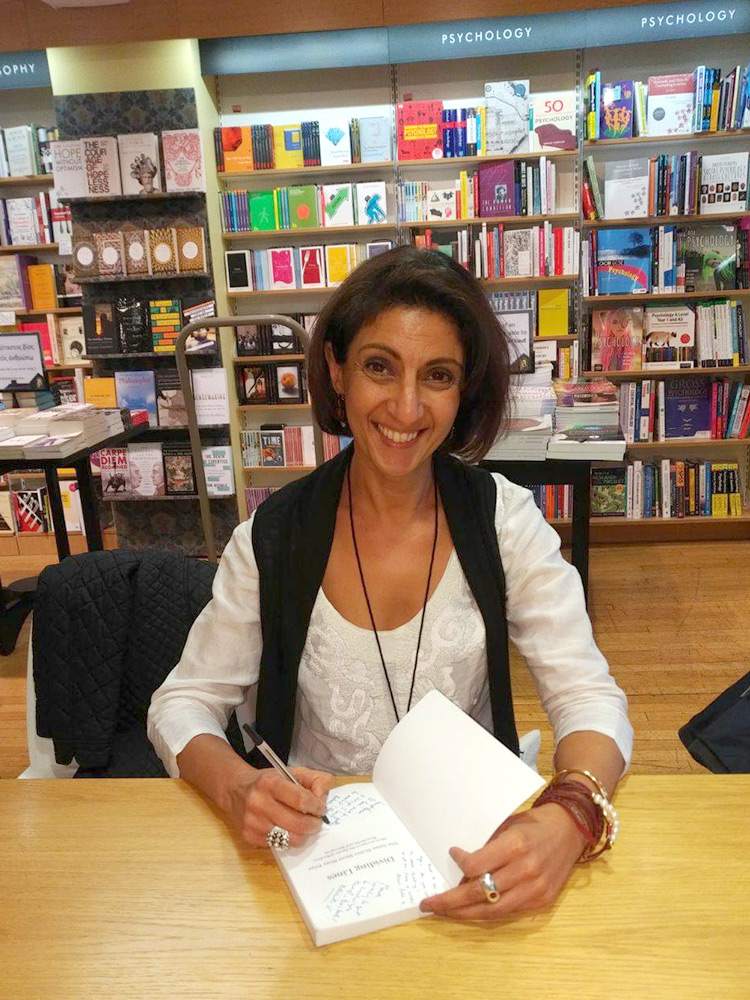
I am a writer and editor. My stories explore how people’s lives are affected by culture, religion and politics. Injustice moves me to write and my protagonists are very often women.
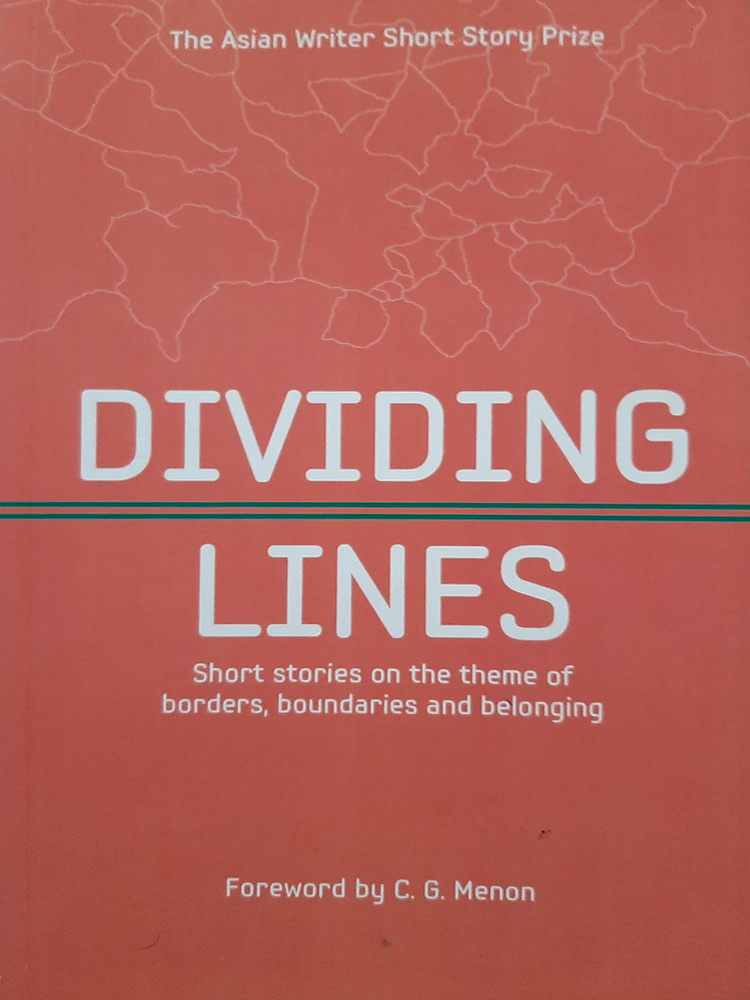
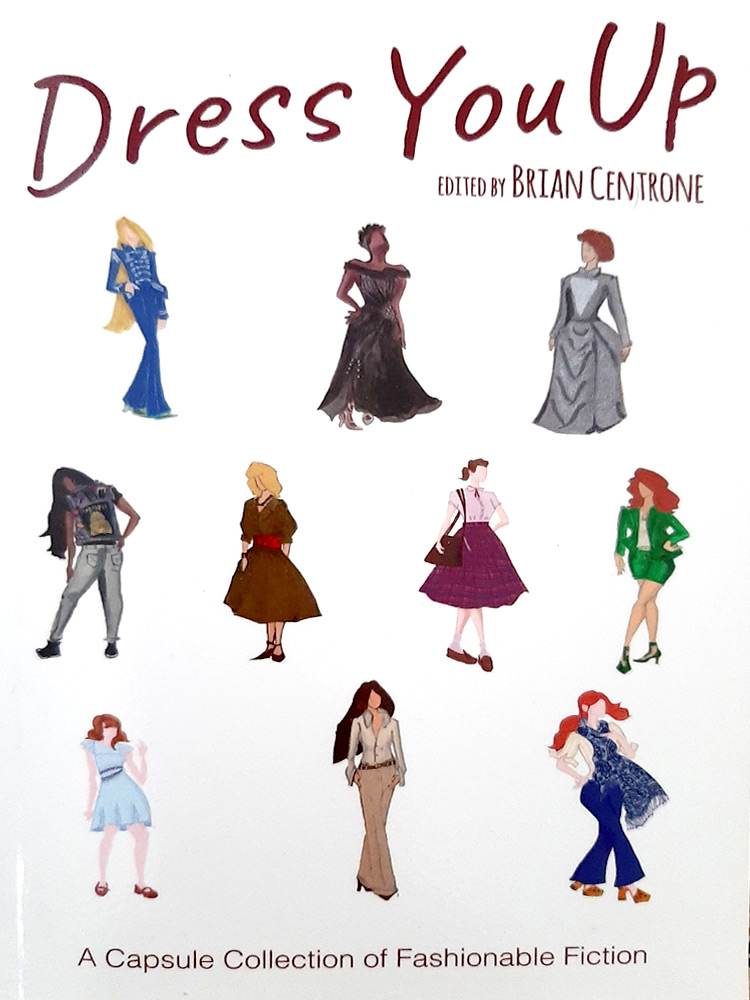
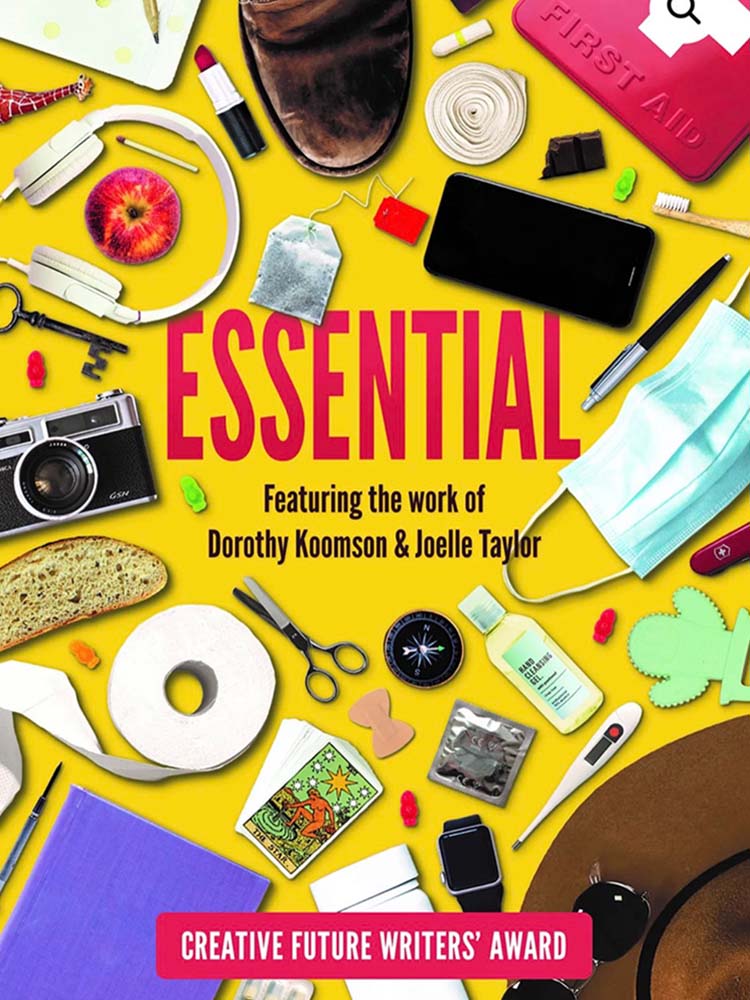
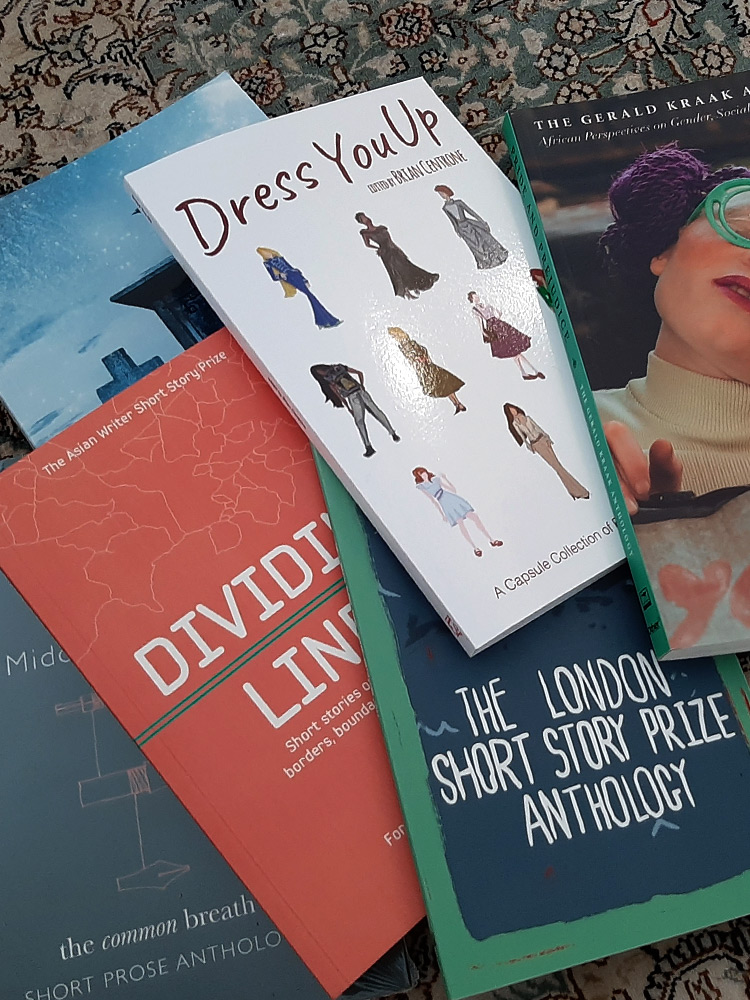
Latest Reads
2026 Queen Mary Wasafiri New Writing Prize Ceremony
2026 | News
The 17th edition of the prestigious Queen Mary Wasafiri New Writing Prize takes place on Saturday, 31 October at Weston Roof Pavilion, Southbank Centre, London. Farah will be one of the readers from the Wasafiri community.
This event also includes a panel discussion on change and activism within the publishing industry, including questions on the impact of AI, freedom of speech, writers’ rights, the current translation boom, and more. Part of the Southbank Centre’s London Literature Festival.
Read More
2026 CBC Nonfiction Prize Longlist
2026 | News
Farah Ahamed has made the 2026 CBC Nonfiction Prize longlist for Mother Earth. Ahamed described Mother Earth as “dust, dirt, nurturing, mother earth.” The longlist was selected from nearly 1,900 submissions.
A team of 12 writers and editors from across Canada compiled the longlist. “A geographically broad and still intimate story about connection to earth. The link with her own mother and the land was well done,” the readers said about Mother Earth.
Read More
Charulata
2026 | Essay
In her short story, The Woman Destroyed, (1967) Simone de Beauvoir’s protagonist Monique utters the words, “I am no longer anything.” She says this when she feels redundant as a wife and mother; she feels she is not worth anything because the roles she fulfilled are no longer necessary to her husband and son. Through Monique, Beauvoir suggests that when a woman’s existence is defined by recognition from “others”—the consequences of withdrawal of it or failure to receive it—are an existential crisis. A woman undergoes a sense of loss. that of her ‘being’…
Read More
Harambee: menstrual blood and the politics of solidarity
2026 | Essay
Artistic expression, language and shared rituals around menstruation have the potential to foster ‘harambee’, the Kenyan concept of solidarity.
At the height of the Iranian women’s revolution in September 2022, sparked by the killing of Mahsa Amini, Kurdish artist Zehra Dogan wrote Zen, Zindagi, Azadi – Women, Life, Freedom on the walls and railings outside the Berlin Embassy using a mixture of henna, hair and menstrual blood. She was arrested by the authorities and imprisoned…
Read More
Eating Khichdi in Kenya
2026 | Essay
I was twelve years old when I first ate khichdi for ten days in a row. It was also the first time I heard the words coup d’etat.
That Sunday, my mother came into my bedroom at three in the morning and whispered I should move to her room. In her bed, behind a locked door, we heard gun shots. The telephone lines were dead. There was no power. My mother did not know what was happening and we had no way of contacting anyone…
Read More
The Real Serpent in Daniyal Mueenuddin’s Novel
2026 | Review
A new novel explores the hidden currents of power, loyalty, and class divides that aim to keep women’s experiences invisible.
In the 1940s, when charged with obscenity, Pakistani writer Saadat Hasan Manto famously declared, “If you think my writing is dirty, it is because society is dirty.” This potent statement can be interpreted as art’s profound ability to reflect and expose the uncomfortable realities of its time, including the often-concealed “dirt” within patriarchal structures that marginalize women…
Read More
Kotex presents: Art's Missing Period
This documentary explores how menstruation has been represented in art and culture. Artists and writers share the challenges of presenting work about menstruation and efforts to reclaim the narrative. Farah Ahamed reflects on her book Period Matters and the artwork it features, highlighting how period art continues to face stigma and shame.
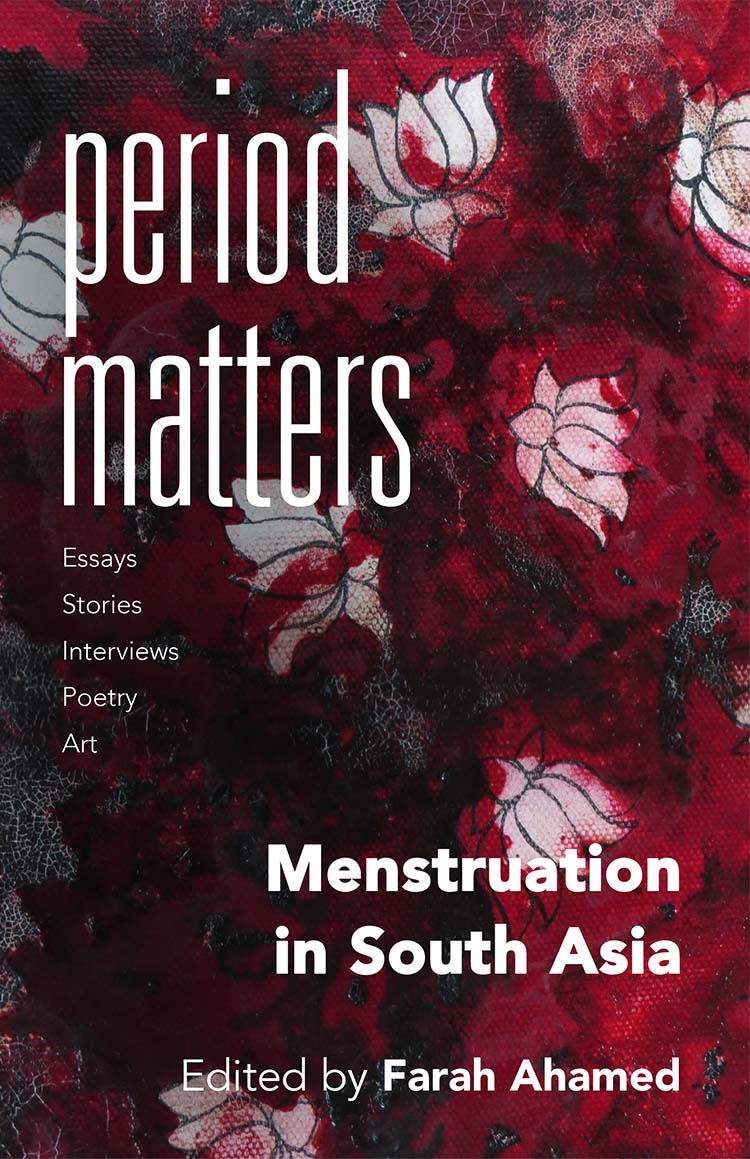
Period Matters
Period Matters: Menstruation in South Asia
Published by Macmillan
Publication date: 28th June 2022
A pathbreaking anthology on the diverse experiences of menstruation in South Asia
Menstruation, despite being a healthy and fundamental bodily process, is a topic often buried in fear and shame, and its discussion is even taboo in many societies. But a worldwide effort to bring conversations about menstruation and menstrual health into the open is now firmly underway.
Period Matters carries this important endeavour forward by bringing together a breadth of perspectives from well-known figures as well as those whose voices are missing from the mainstream.
Essays, artwork, stories and poems from policymakers, entrepreneurs, artists, academics, activists, as well as interviews with those at the margins, such as the homeless and those living with disabilities, explore myriad aspects of how menstruation is experienced in South Asia.
A collection of breathtaking scope and significance, Period Matters illustrates with power, purpose and creativity both the variances and commonalities of menstruation.
Edited by Farah Ahamed. Contributors include: Rupi Kaur; Anish Kapoor; Lyla Freechild; Sarah Naqvi; Lisa Ray; Tishani Doshi; Ayra Indrias Patras; Granaz Balochi; Meera Tiwari; Shashi Deshpande; Srilekha Chakraborty; Tashi Zangmo; Zinthia Ganeshpanchan; Alnoor Bhimani; Shashi Tharoor; Victoria Patrick; Aakar Innovations; Goonj Foundation; interviews with transwomen, homeless women and the co-founder of Menstrupedia.
Period Poverty
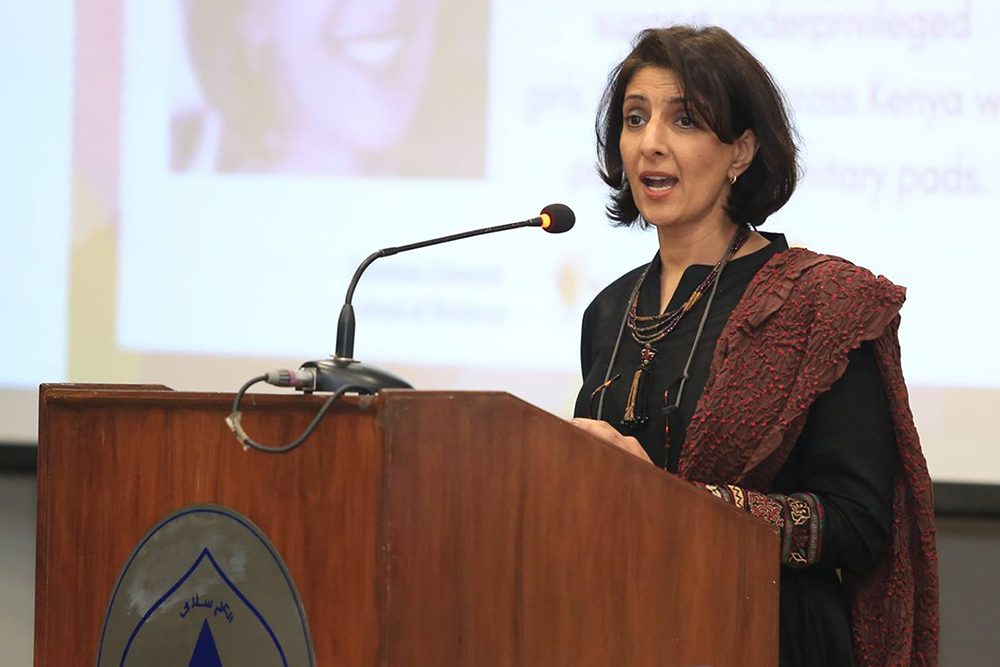
In addition to my work as a writer, I am a human rights lawyer and an advocate for ending period poverty.
Together with my sisters, I run the campaign Panties with Purpose in Kenya which helps raise awareness about menstrual hygiene. Since 2011, more than 50,000 pairs of underpants have been distributed to 12,000 girls in over 100 locations across Kenya.
Find out more by visiting: